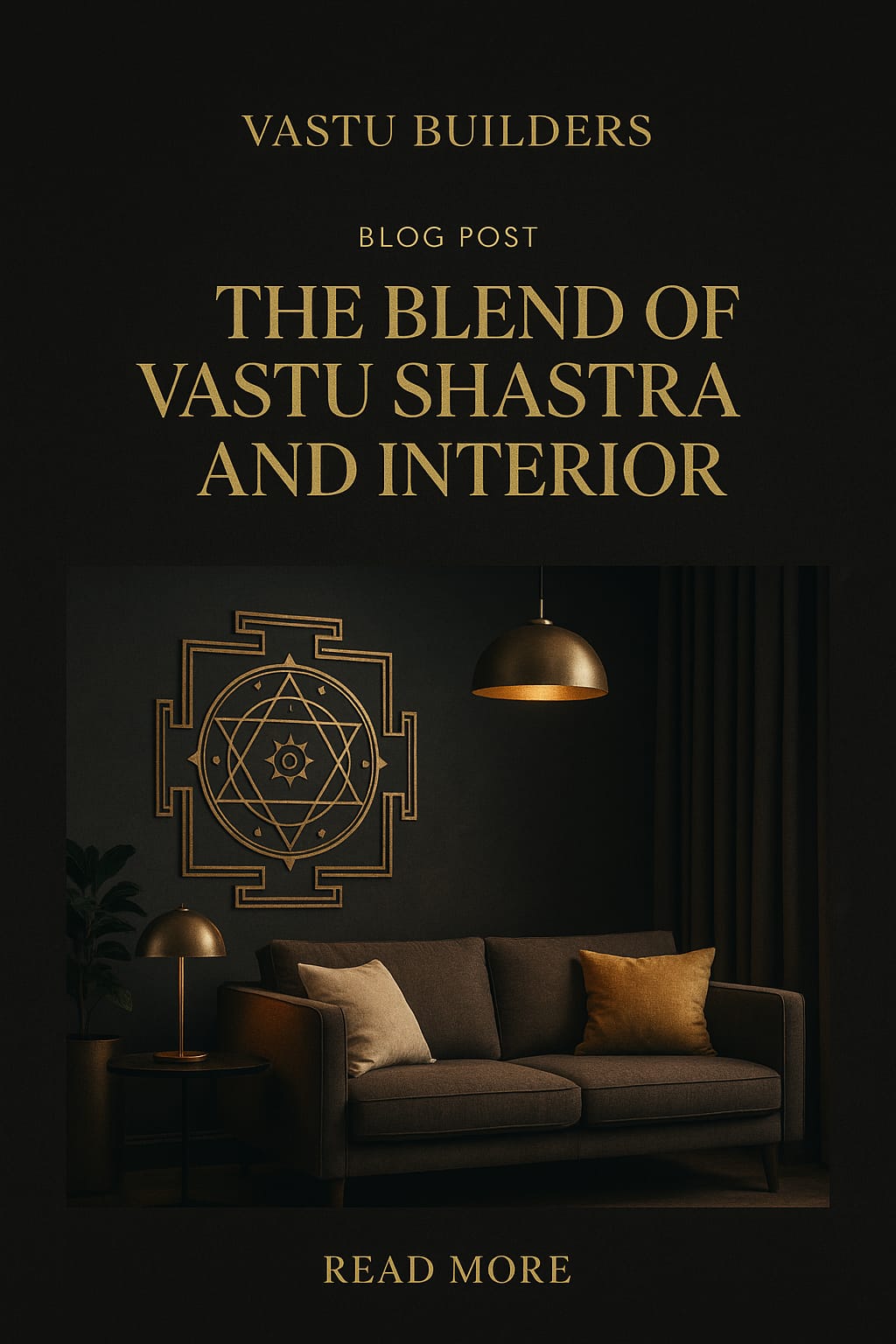
In today’s fast-paced world, home is more than just a place to live—it’s a space of rejuvenation, harmony, and balance. As modern interiors become more sophisticated, homeowners are increasingly seeking to align aesthetic appeal with ancient wisdom. One of the most powerful combinations to achieve this is by integrating Vastu Shastra with interior design.
What Is Vastu Shastra?
Vastu Shastra is an ancient Indian architectural science that focuses on creating harmony between human dwellings and the five natural elements—earth, water, fire, air, and space. It provides guidelines for layout, design, and spatial orientation to ensure positive energy flow throughout a building.
When blended with modern interior design, Vastu doesn’t just guide structural choices—it transforms interiors into energetically balanced environments that promote health, peace, and prosperity.
Key Vastu Tips for Interior Design
1. Entrance Matters
The main door is considered the gateway for energy. Vastu recommends placing the main entrance in the northeast, north, or east direction to invite positive energy. Ensure it is well-lit, clutter-free, and opens inward.
Interior Tip: Use calming décor at the entrance—like brass bells, mirrors (not directly opposite the door), or natural plants—to create a welcoming aura.
2. Living Room Balance
The living room should ideally be in the north or east side of the house. This is the space where family and guests gather, so it must have a calming and inclusive feel.
Interior Tip: Choose light-colored furnishings (like beige, soft green, or white), avoid sharp-edged furniture, and keep décor minimal yet warm. A subtle water element like a small fountain can enhance peace.
3. Colors That Heal
Colors play a key role in both interior design and Vastu. Each direction is associated with specific elements and colors.
- North: Green or blue (air and water)
- South: Red or orange (fire)
- East: Light blue or white (air)
- West: Grey or silver (metal)
Using these shades in furniture, wall paints, or accessories can enhance the energetic quality of each space.
Kitchen and Bedroom: Two Energy Hotspots
4. Kitchen Placement
The kitchen represents fire and is best located in the southeast direction. If that’s not possible, the northwest can be a second choice.
Interior Tip: Use red, orange, or yellow for décor accents in the kitchen. Place the stove so that the cook faces east while preparing meals.
5. Bedroom Serenity
The southwest direction is ideal for the master bedroom. Avoid placing mirrors directly facing the bed, and opt for soothing wall colors like soft brown, peach, or lavender.
Interior Tip: Avoid electronics near the bed and use natural materials like wood or cotton for furnishings to maintain a calming vibe.
Final Thoughts
Vastu-compliant interior design is not about rigid rules—it’s about thoughtful alignment. It allows you to create spaces that not only look beautiful but also feel balanced and nurturing. Whether you’re renovating a room or designing a new home, combining Vastu principles with modern aesthetics ensures that your space promotes both visual harmony and energetic well-being.
By bringing together form, function, and energy, you don’t just design a home—you create a sanctuary.
